




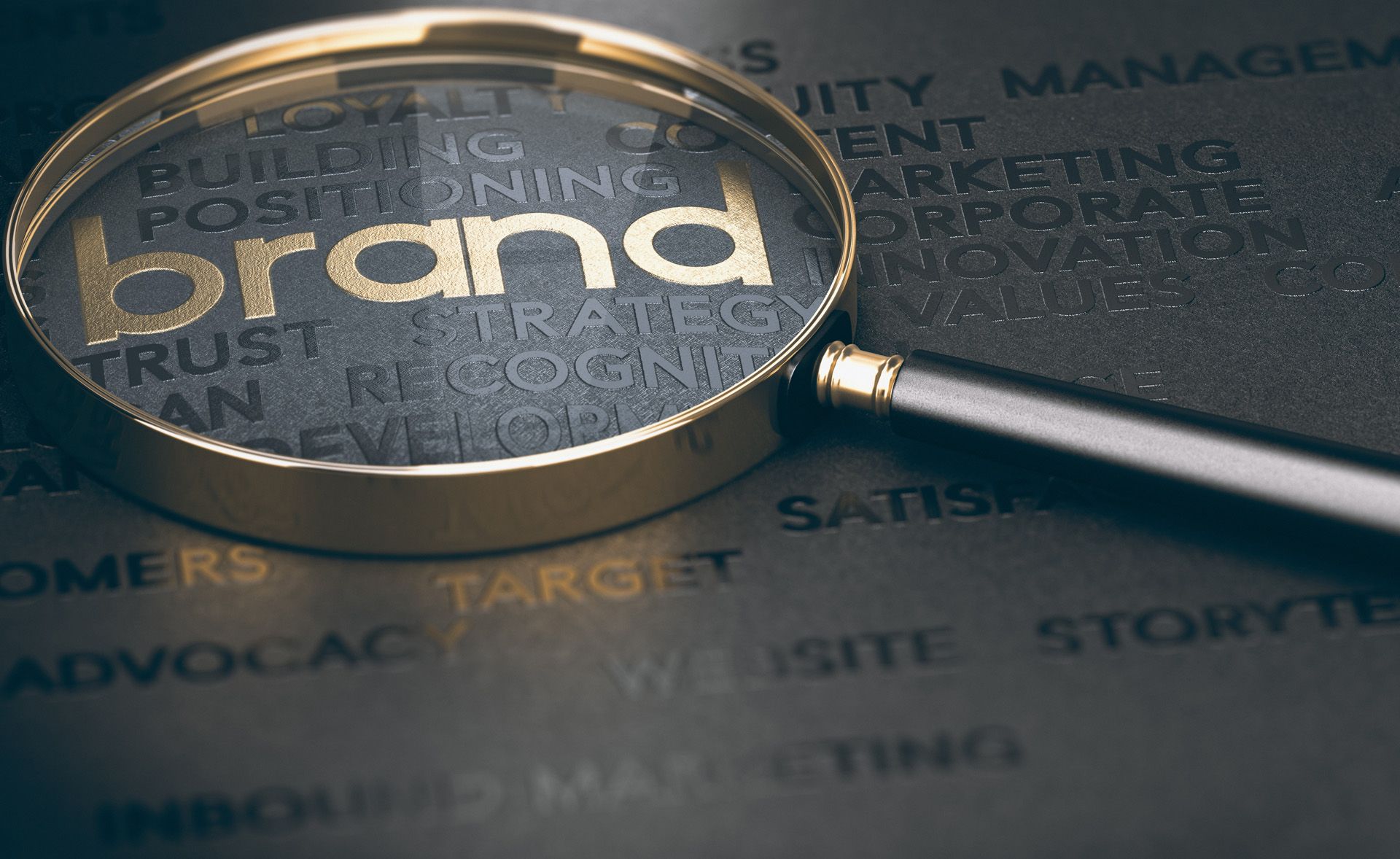
In a marketplace where every day brings more competition, and customer expectations change in real time, a strong brand is no longer optional-it's a strategic asset. But even the best brands lose their potency over time if they are never reassessed. That's why brand audits have become a necessary tool for every business in 2026, regardless of size or industry.
It helps a business truly understand how its brand is performing in the real world, not just how it thinks it's performing. In a time of rapid changes in consumer behavior, technology, and marketing trends, a brand audit is the fastest way to expose gaps in your plan, spot emerging opportunities, and realign your brand for long-term success.
What is a brand audit?
A brand audit is a comprehensive assessment and analysis of how your brand is perceived from within and outside. It will look at identity, messaging, customer experience, online presence, and general performance of the brand.
It answers critical questions such as:
- Is our brand relevant to the target audience anymore?
- Does our message align with what customers actually experience?
- Are we visually consistent on all platforms?
- How do we compare to our competitors?
- Is our digital presence strong-and does it convert?
A brand audit breaks down what's working, what's outdated, and what needs improvement so you can make smarter branding decisions.
What a Brand Audit Includes in 2026
Other than colors, logos, and slogans, modern brand audits go way beyond. Today, they analyze the full ecosystem of your brand-from visuals to customer interactions to performance metrics.
1. Visual Identity Review
Checks your
- Logo & variations
- Color palette
- Typography
- Imagery style
- Layout Consistency
- Brand assets across print and digital
Ensures your brand looks the same everywhere your audience sees it.
2. Brand Messaging & Voice Evaluation
Audits your:
- Slogan/TAGLINE
- Value proposition
- Tone of voice
- Website Copy
- Social content
- Ad messaging
This shows that your message connects emotionally and clearly with your audience.
3. Digital Presence Analysis
Includes:
- Website performance
- User experience (UX)
- SEO
- Presence on social media
- online reviews
- Search visibility
- Email marketing consistency
This is a big part of modern audits, since most customers find brands online.
4. Customer Experience & Touchpoint Assessment
Look at what customers experience at each step:
- Onboarding
- Customer support
- Sales Process
- Packaging & Unboxing
- Follow-up after purchase
This identifies gaps that may hurt trust or conversions.
5. Competitor & Market Positioning Review
Analyzes:
- How do you compare to key competitors?
- Where your brand stands in the marketplace
- Opportunities to Differentiate
- Threats to your positioning
It helps you sharpen your unique value within a crowded market.
6. Internal Brand Alignment
Assesses your team's understanding of the brand:
- Are the employees aligned with the brand values?
- Are customer-facing teams delivering the experience promised?
- Do your internal materials match your external image?
It provides internal alignment of brands.
Why every business in 2026 needs a brand audit.
2026 brings new challenges and expectations. Consumers are better informed, AI-powered personalization has become the norm, and trends shift at lightning speed. Here's why brand audits are non-negotiable today:
1. Consumer Behavior Is Changing Faster Than Brands Can Keep Up
With AI personalization, new buying habits, and shorter attention spans, brands must continuously change. A brand audit will help you identify whether your brand resonates or whether it needs updating.
2. Competition in All Sectors Has Intensified
With more micro-brands, online businesses, and global marketplaces, choices for customers have become endless. A brand audit enables you to stay competitive and differentiated.
3. Outdated branding affects trust and credibility.
If your brand feels outdated, inconsistent, or confusing, customers lose trust. A brand audit highlights such gaps well before they affect sales.
4. Your Digital Presence Must Be Stronger Than Ever.
In 2026, your website and social channels are usually the first impression. A brand audit ensures those mediums clearly communicate your identity and convert visitors.
5. It improves marketing ROI
- Conversion Rates
- Engagement
- Customer loyalty
- Advertising efficiency
6. It Helps Companies Prepare for Growth or Rebranding
Whether launching new products, entering new markets, or repositioning, the brand audit will give you that clarity needed before making big moves.
How frequently should a brand audit be carried out? Most companies will benefit from a brand audit every 12–18 months, or sooner if: Sales are falling, the brand appears outdated. You're planning a rebrand. New competitors are emerging. Customer feedback indicates confusion. Regular audits keep your brand aligned with the current expectations.
Conclusion
A brand audit represents your blueprint to a stronger brand. In 2026, a strong brand isn't just about looks and feels; it's about clarity, consistency, and connection. A brand audit gives you the insights to create a brand that resonates, competes, and converts. If you haven't ever performed a brand audit or if it has been years since your last, now is the absolute right time. Your business will feel the difference, so will your customers.
FAQ's
A brand audit is a detailed review of your brand's identity, messaging, online presence, and customer perception to identify strengths, weaknesses, and opportunities for improvement.
A brand audit helps ensure your branding is consistent, builds customer trust, improves brand recognition, and supports long-term business growth.
Most businesses should perform a brand audit every 2–3 years or whenever they undergo significant changes such as a rebrand, new product launch, or market expansion.
A brand audit typically reviews your logo, website, messaging, social media, customer experience, competitor positioning, and overall brand consistency.
Yes. A professional digital marketing agency can evaluate your brand, identify improvement areas, and create a strategy to strengthen your brand identity and online presence.