




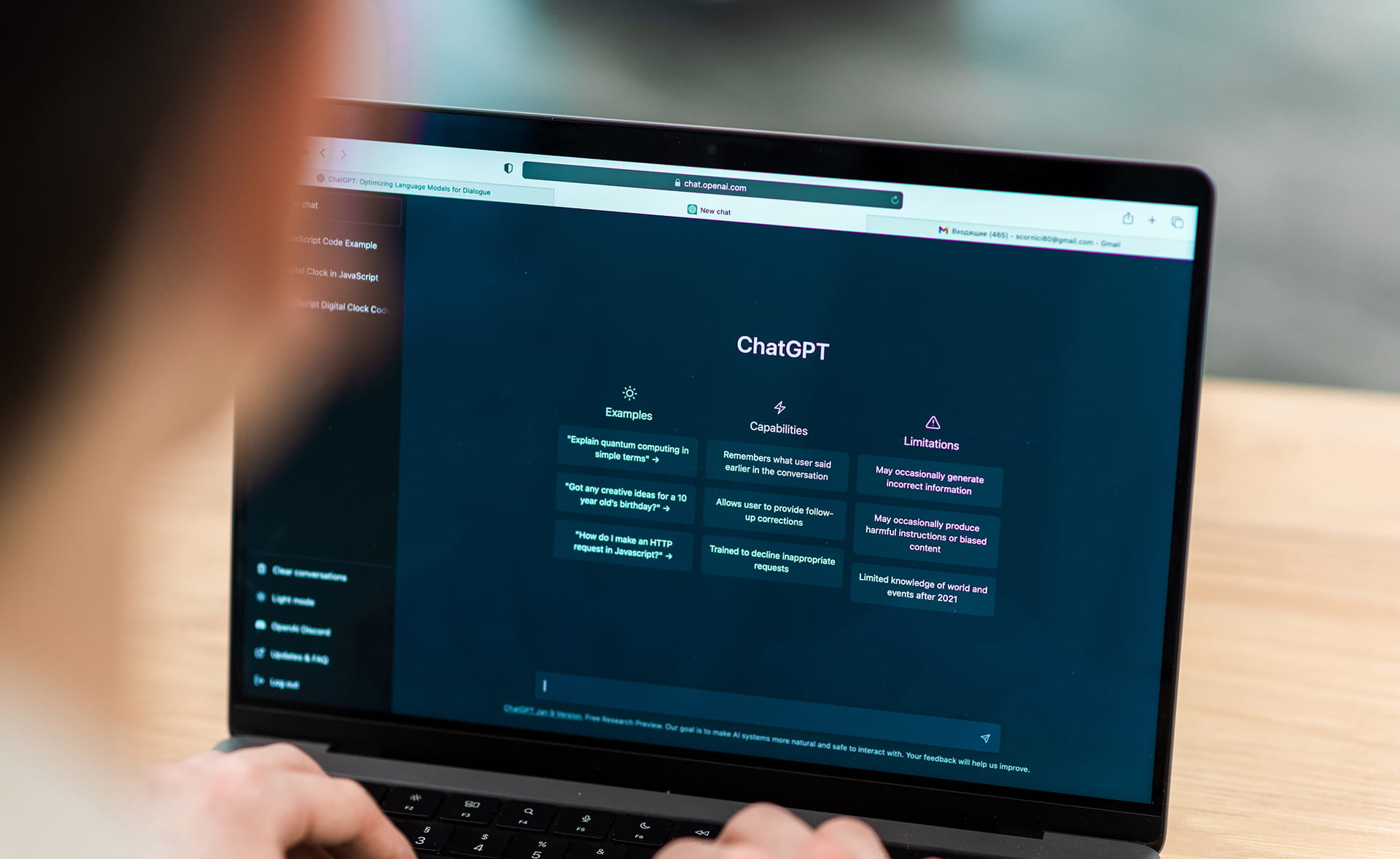
AI tools like ChatGPT, Google Gemini, Bing Copilot, and voice assistants are changing how users search for information online. Instead of typing short keywords, people are asking complete questions like: “Which marketing agency is best for small businesses?” or “How do I improve my website SEO?”
If your website content is not structured properly, AI tools may skip your business even if your services are perfect. That’s why optimizing your content for AI-driven search is now a must.
At Brandlino, we help businesses stay ahead with modern SEO strategies that improve visibility on both Google and AI platforms.
Write Content That Answers Questions Clearly
AI tools prefer content that directly answers questions in a simple and structured way. Your website pages and blogs should include common user queries such as:
- What is digital marketing?
- How does SEO work?
- Why is branding important?
Instead of writing long paragraphs, break answers into short, clear sections. Use bullet points, subheadings, and FAQs. This helps AI understand your content quickly.
Use Conversational Keywords (Not Just Short Keywords)
Traditional SEO focuses on keywords like “SEO services.” But AI-based search focuses on natural language keywords like:
- “Best SEO services for startups”
- “How much does SEO cost per month?”
- “Which agency provides branding and marketing together?”
These are called long-tail and conversational keywords, and they help AI tools match your content with real user questions.
Add FAQ Sections to Important Pages
AI tools love FAQ content because it is easy to scan and extract. Add an FAQ section to service pages, product pages, and blogs.
Example FAQ:
Q: How can I optimize my website for ChatGPT?
A: Use structured content, clear headings, FAQs, and conversational keywords.
This also improves voice search ranking.
Improve Content Structure With Headings
Your content must have a clean hierarchy:
- H1 for the main topic
- H2 for key sections
- H3 for subpoints
AI tools rely heavily on headings to understand the main message of your page. Make sure headings contain relevant keywords naturally.
Optimize for Voice Search
Voice searches are growing fast, especially on mobile. Voice search queries are usually longer and question-based.
To optimize for voice search:
- Use simple language
- Write in a conversational tone
- Include question phrases like “how,” “why,” “best,” “where,” and “what”
Example:
Instead of “SEO benefits,” write: “What are the benefits of SEO for small businesses?”
Build Trust With E-E-A-T Signals
Google and AI tools prioritize websites with strong credibility. Improve trust by adding:
- Author names and credentials
- Business contact details
- Customer testimonials
- Case studies
- Real service locations
This helps AI tools recognize your website as reliable.
Final Thoughts
Optimizing your website for AI tools like ChatGPT is not about stuffing keywords—it’s about writing useful, structured, and human-friendly content. Businesses that adapt early will gain more visibility and higher traffic in the future.
If you want expert help to optimize your website content for AI search, Brandlino is here to help you stay ahead of the competition.
FAQ's
Create clear, helpful, and well-structured content, answer common user questions, use descriptive headings, and add schema markup to make your content easier for AI systems to understand.
Yes. Strong SEO practices such as high-quality content, fast page speed, technical optimization, and backlinks remain important for improving visibility in both search engines and AI tools.
Yes. FAQ schema and well-organized Q&A sections help AI platforms better interpret your content and identify direct answers to user questions.
Yes. If your website provides accurate, trustworthy, and valuable information and is accessible to AI crawlers, it may be cited or recommended in AI-generated responses.
Optimizing for AI tools increases your chances of being discovered in AI-generated answers, improves brand visibility, and helps attract more qualified visitors as AI-powered search continues to grow.